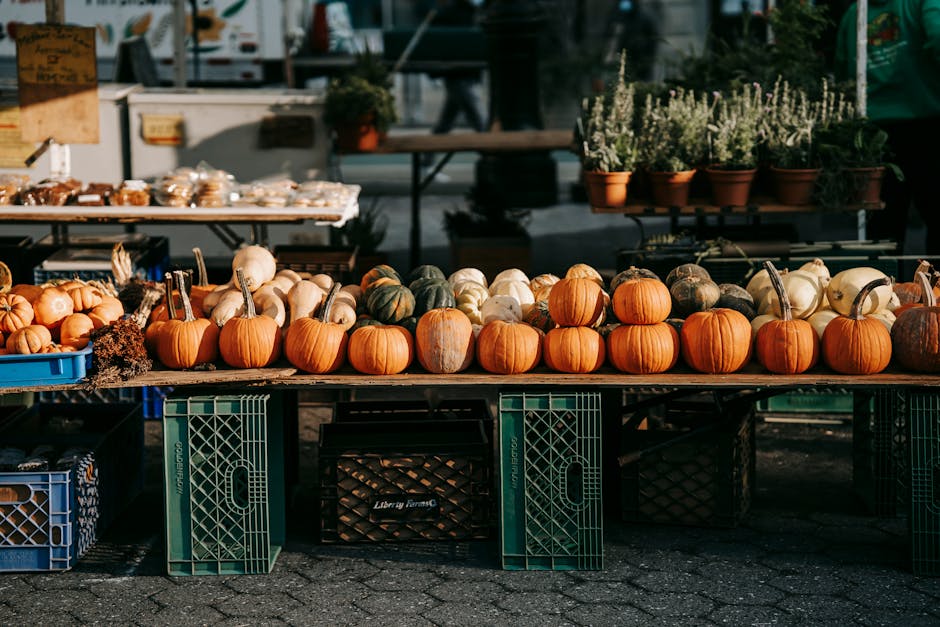
Embracing the Rhythm of the Seasons
As we move deeper into 2026, there’s a growing trend towards seasonal eating – a practice as old as humanity itself, yet surprisingly refreshing in our modern, globalized world. Seasonal eating not only means enjoying fruits and vegetables at their peak flavor and nutritional value, but it also supports local farmers and reduces the carbon footprint associated with transporting food over long distances.
The Nutritional Edge of Seasonal Foods
When you choose foods in sync with the seasons, you’re opting for freshness. Fresh produce is packed with nutrients and doesn’t have to endure long storage times or extensive shipping. For instance, tomatoes picked at the height of summer are not just tastier; they are richer in lycopene as well, an antioxidant linked to numerous health benefits, including reduced risk of heart disease.
Similarly, winter squashes are a powerhouse, loaded with vitamin A and fiber, which are essential for immune support and digestive health. Eating these foods when they are naturally available can significantly enhance your diet, adding variety and balance that aligns with your body’s needs throughout the year.
Supporting Local, Sustainable Agriculture
Shopping at local farmers’ markets not only benefits your health but also bolsters your local economy and agriculture. The Farmer’s Market Coalition reported a 20% increase in market attendance in 2025, indicating that more people are seeing the value in buying local. By purchasing seasonal produce from nearby farms, you reduce the environmental impact of your diet, supporting sustainable agricultural practices that rely less on synthetic inputs and more on natural ecological processes.
Creating a Seasonal Eating Plan
Implementing a seasonal eating strategy doesn’t have to be daunting. Start by becoming familiar with what’s in season in your region. Many online resources, like the Seasonal Food Guide, offer detailed information about the availability of various fruits and vegetables throughout the year. Once you know what’s in season, plan your meals around those items. You’ll find meal planning becomes more straightforward and more exciting as you build variety and colors into your plate.
Consider creating a seasonal calendar. Include traditional recipes that feature these ingredients. For example, spring might be a time for asparagus quiches and strawberry salads, while autumn could bring roasted root vegetables and apple pies. By associating certain dishes with seasons, you also build a cultural appreciation for the cycles of nature.
Practical Tips for Eating Seasonally
- Visit Farmers’ Markets: These are treasure troves of fresh, seasonal produce. Talk to vendors; they’re often eager to share storage tips, recipes, and more.
- Join a CSA: Community Supported Agriculture programs deliver farm-fresh produce directly to your door, ensuring you eat seasonally without having to think much about it.
- Preserve for the Off-Season: Canning, freezing, or drying fruits and vegetables can extend their availability throughout the year.
- Explore New Recipes: Use seasonal changes as an excuse to try new recipes and expand your culinary skills. This keeps meals exciting and your diet diverse.
The Takeaway: Aligning with Nature for Health and Happiness
Seasonal eating is more than just a dietary choice; it’s a lifestyle change that aligns with nature’s rhythms. By embracing this approach in 2026, you not only enhance your health but also contribute to a more sustainable environment and support local communities. Consider taking a stroll through your nearest farmer’s market this weekend or planting your own garden. As you do, you’ll likely find that your meals become more flavorful, your diet more balanced, and your connection to the environment more profound.