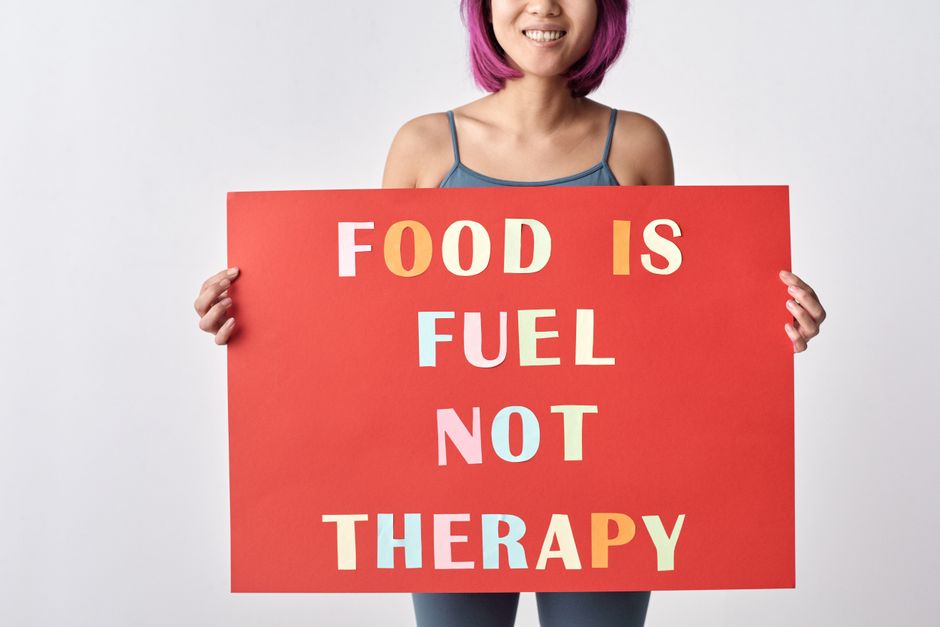
The Connection Between Food and Mood
We’ve all experienced it: grabbing a sugary snack only to feel sluggish and irritable an hour later. The food-mood connection is not just anecdotal; it’s backed by science. Nutrients in our diet play a crucial role in the production of neurotransmitters, which can significantly impact our mood and mental clarity.
Studies have shown that diets high in refined sugars and processed foods can exacerbate symptoms of mood disorders, whereas diets rich in whole foods, lean proteins, and healthy fats contribute to overall mental well-being. For instance, the inhabitants of Okinawa, Japan, known for their longevity and mental acuity, predominantly consume a diet rich in vegetables, fish, and soy.
Nutritional Powerhouses for Mental Health
Several nutrients stand out for their mental health benefits. Omega-3 fatty acids, found in fatty fish like salmon and mackerel, are known to support brain health and reduce symptoms of depression. A study from the University of South Australia in 2024 highlighted how regular consumption of omega-3s can improve mood stability and cognitive function.
- Folate and B Vitamins: These are crucial for neurotransmitter synthesis and can be found in leafy greens, beans, and fortified cereals. They help in the production of serotonin, the feel-good hormone.
- Magnesium: Known as the relaxation mineral, magnesium helps alleviate anxiety and improve sleep. Nuts, seeds, and whole grains are excellent sources.
- Antioxidants: Blueberries, strawberries, and dark chocolate are packed with antioxidants that combat oxidative stress, which is linked to mental fatigue and mood swings.
Mindful Eating Practices
How we eat is just as important as what we eat. Mindful eating involves paying full attention to the experience of eating and drinking, both inside and outside the body. It can reduce overeating and improve digestion, helping us understand hunger and fullness cues better.
Consider taking a moment to appreciate the color, texture, and aroma of your food. Chew slowly and savor each bite. This practice not only aids digestion but also enhances the pleasure of eating and can help reduce stress.
Integrating Cultural Diets
In 2026, there is a growing recognition of the benefits of traditional diets. The Mediterranean diet, rich in olive oil, fruits, vegetables, and whole grains, has long been associated with a lower risk of depression. Similarly, the traditional Asian diet, with its emphasis on rice, legumes, and vegetables, offers a blueprint for meals that support mental and physical health.
Incorporating elements from these diets can be a step towards not just better physical health, but also improved mental wellness. Experiment with recipes from different cultures to add both variety and nutrients to your meals.
Practical Tips for a Mental Health Boost
Here are some practical steps to get started on your journey to improved mental wellness through nutrition:
- Plan Your Meals: Spend time each week planning balanced meals that include a variety of nutrients. This can help reduce the temptation of fast food and ensure a steady supply of mental health-supporting nutrients.
- Stay Hydrated: Dehydration can often lead to irritability and concentration issues. Aim to drink at least 8-10 glasses of water daily.
- Limit Alcohol and Caffeine: Both can significantly affect mood and sleep quality. Moderation is key to maintaining balance.
- Experiment with Herbal Teas: Teas such as chamomile, lavender, and valerian root can offer soothing effects, helping to reduce anxiety and promote relaxation.
By making informed choices about what we put into our bodies and how we consume it, we can create a supportive environment for our mental health. It’s not just about filling your stomach, but feeding your mind.