Understanding Prebiotics: The Unsung Heroes of Gut Health
In the world of health and wellness, probiotics have long basked in the spotlight, leaving their lesser-known counterparts, prebiotics, in the shadows. But 2026 is the year of the prebiotic revolution. These non-digestible fibers are crucial for nurturing the good bacteria in your gut, ensuring a healthier digestive system and overall well-being.
Prebiotics are found naturally in foods like bananas, onions, garlic, leeks, asparagus, and chicory root. Their primary role is to stimulate the growth of beneficial bacteria, such as Bifidobacteria and Lactobacilli, which are essential for maintaining a healthy gut microbiome.
The Science of Prebiotics: How They Work
Prebiotics act as a food source for probiotics, the live bacteria that inhabit our intestines. By feeding these probiotics, prebiotics help them thrive and multiply, which in turn aids digestion, boosts the immune system, and even influences mood and mental health.
According to a 2025 study published in the Journal of Nutritional Science, regular consumption of prebiotics can increase gut bacterial diversity by up to 30%. This diversity is crucial for absorbing nutrients efficiently and protecting against gut-related diseases.
Top Prebiotic Foods to Include in Your Diet
- Chicory Root: Often used as a coffee substitute, chicory root contains inulin, a powerful prebiotic fiber that promotes digestive health.
- Jerusalem Artichokes: These earthy tubers are a fantastic source of inulin and can be roasted or added to salads for a flavorful punch.
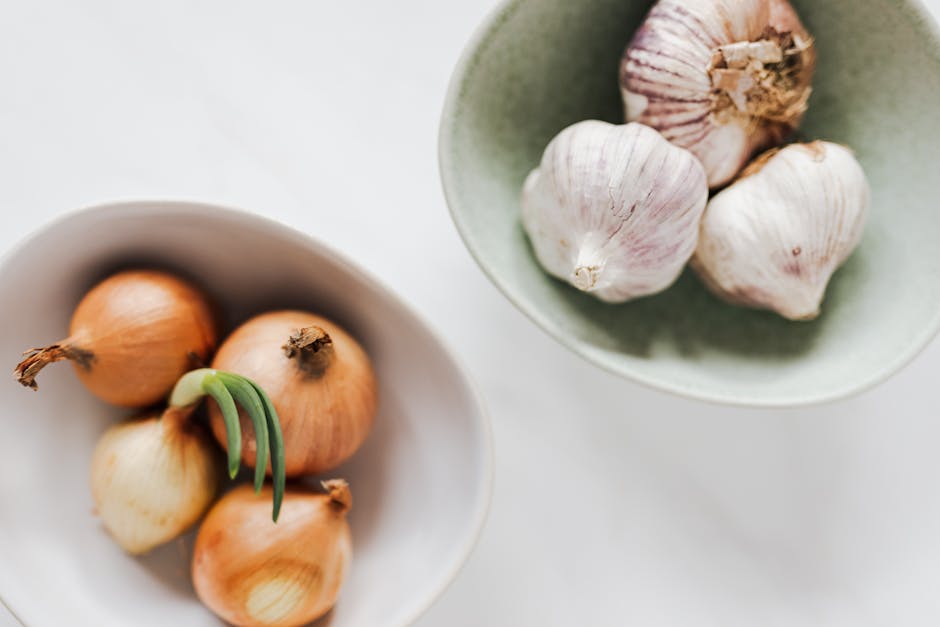
- Garlic and Onions: Common kitchen staples, they contain fructooligosaccharides (FOS) that enhance gut flora and support immunity.
- Bananas: Besides being a convenient snack, bananas offer resistant starch, a type of prebiotic that supports healthy digestion.
- Leeks: Often overshadowed by their onion cousins, leeks are rich in prebiotic fibers and can be added to soups and stews for added flavor.
The Broader Impact of Prebiotics on Health
The benefits of prebiotics extend beyond the gut. A robust gut microbiome has been linked to improved mental health, with studies indicating that a balanced gut can reduce symptoms of anxiety and depression. Moreover, prebiotics may play a role in weight management by regulating appetite and increasing feelings of fullness.
In 2026, research from the University of California highlighted that individuals incorporating high-prebiotic diets reported a 25% improvement in sleep quality. This finding underscores the intricate connection between gut health and overall well-being.
Incorporating Prebiotics into Your Daily Routine
Integrating prebiotic-rich foods into your diet doesn’t require a complete overhaul. Start by adding a handful of raw chicory root to your morning smoothie or tossing a few slices of Jerusalem artichokes into your salads. Cooking with garlic and onions not only enhances flavor but also bolsters your gut health.
For those with hectic schedules, look for prebiotic supplements that can easily be mixed into beverages or meals. However, it’s always best to consult with a healthcare professional before starting any new supplement regimen.
Your Gut Health Takeaway for 2026
As we uncover more about the gut-brain connection and its impact on overall health, prebiotics will undoubtedly play a significant role in nutritional strategies for the future. Embrace these powerful fibers and make them a regular part of your diet to boost your digestive health, enhance your mood, and improve your general well-being. Prioritizing your gut health is a simple yet profound step towards a healthier life in 2026.