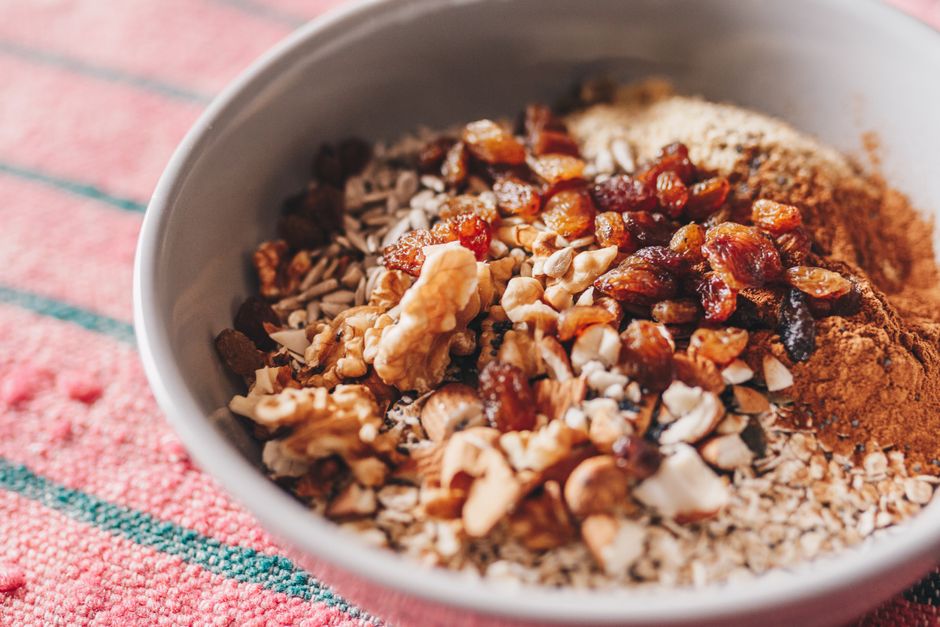
What Makes a Superfood ‘Super’?
Over the past few years, the term “superfood” has become a staple in conversations about health and nutrition. But what actually constitutes a superfood? These are foods packed with a high density of nutrients, including vitamins, minerals, antioxidants, and healthy fats, all of which can contribute to overall health and well-being. Think of them as nature’s multivitamins. In 2026, the list of recognized superfoods has expanded, and incorporating them into your diet can be easier and more rewarding than ever.
The New Stars of the Superfood World
- Moringa: Known as the “miracle tree,” moringa is rich in vitamins A, C, and E, calcium, potassium, and protein. It’s a versatile ingredient that can be added to smoothies, soups, and salads.
- Tiger Nuts: Not nuts but tubers, tiger nuts are high in fiber, magnesium, and vitamin E. They support digestive health and are a great dairy alternative for those seeking non-dairy milk options.
- Camu Camu Berries: These small berries from the Amazon rainforest pack a powerful punch with high levels of vitamin C and antioxidants, making them excellent for boosting the immune system.
- Kefir: A fermented dairy product, kefir is loaded with probiotics and can improve digestive health, enhance lactose digestion, and support the immune system.
- Spermidine-Rich Foods: Named after the compound spermidine, these foods, including aged cheese and mushrooms, are being researched for their potential in promoting longevity and cellular health.
Integrating Superfoods into Your Daily Routine
Incorporating superfoods into your diet doesn’t have to be complicated. Start your day with a moringa-infused smoothie, add a handful of camu camu berries to your oatmeal, or snack on some roasted tiger nuts. For lunch, consider a salad topped with mushroom slices for that extra dose of spermidine. And don’t forget about kefir as an afternoon refreshment or dessert option.
Sourcing Superfoods in 2026
With the rise in popularity of superfoods, you can now find them in various forms, from fresh produce at farmer’s markets to dried and powdered supplements at health stores. Online platforms have made it easier than ever to access global superfoods, with companies like Thrive Market and iHerb offering doorstep delivery of these nutritional powerhouses. Additionally, local urban farms are starting to grow exotic superfoods, bringing them closer to your kitchen table.
Superfoods and Sustainability
As the demand for superfoods grows, it’s essential to consider the impact on the environment and local communities. Many superfoods, such as quinoa and acai, originate from regions with vulnerable ecosystems. Sustainable farming practices, fair trade certifications, and conscious consumer choices play a crucial role in ensuring these foods contribute positively to both health and the planet.
In 2026, boosting your diet with superfoods is not only a choice for your health but also a commitment to sustainability. When shopping, look for labels that support ethical sourcing, and consider growing your own superfood garden if you have the space. This not only provides fresh, nutritious food but also reduces your carbon footprint.
Practical Takeaway
Incorporating superfoods into your diet is a flavorful and sustainable way to boost your health in 2026. Start with a few small changes, such as adding a spoonful of moringa to your breakfast or choosing kefir over yogurt, and gradually introduce more as you explore new flavors. Remember, the key to a healthy diet is variety, so aim to mix and match different superfoods to reap their unique benefits.