How to Detox Your Home for Better Health
Creating a healthy living space is more crucial now than it has ever been. Our homes should be sanctuaries where we feel at ease, both mentally and physically. However, without realizing it, our living spaces might be filled with hidden toxins that can impact our well-being. The good news is, with a few mindful adjustments, you can transform your home into a healthier environment.
Understanding Household Toxins
Before you can start detoxing your home, it’s important to know what you’re up against. Many everyday products and materials used in homes can emit volatile organic compounds (VOCs), formaldehyde, and other harmful chemicals. For instance, that fresh coat of paint you love might be releasing VOCs, while your cozy new carpet might be off-gassing formaldehyde. Even cleaning products, with their promise of glittering surfaces, can be culprits, filled with harsh chemicals.
A 2025 study by the Environmental Working Group found that an average home contains over 400 chemicals, many of which have not been thoroughly tested for safety. These toxins can have detrimental effects on health, ranging from headaches and allergies to more severe conditions like respiratory issues and endocrine disruption.
The Power of Houseplants
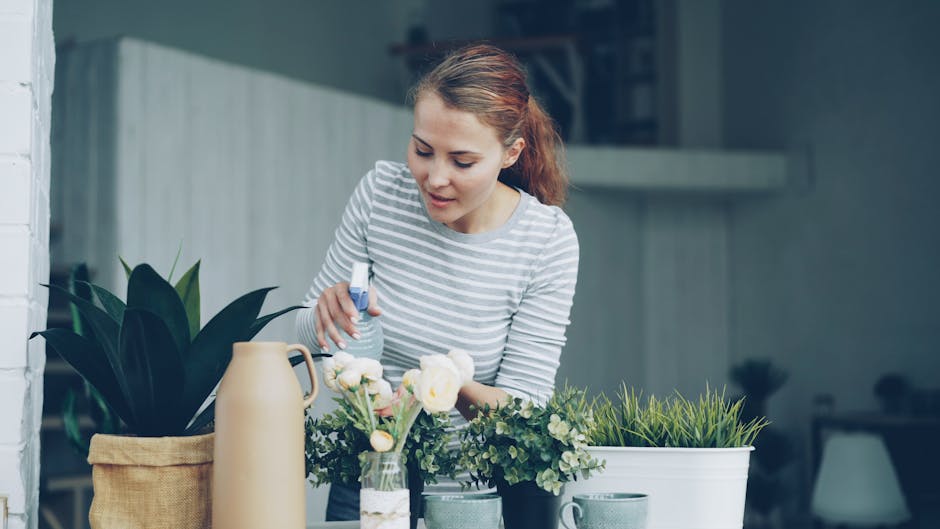
One of the simplest ways to detox your home is by introducing houseplants. Not only do they add a touch of nature to your interior, but they also have the remarkable ability to purify the air. NASA’s Clean Air Study highlights certain plants like the Spider Plant, Peace Lily, and Snake Plant as effective natural air filters. These plants can absorb pollutants such as formaldehyde and benzene.
Consider placing a few of these green companions in spaces like the living room, bedroom, and kitchen. They work best with moderate sunlight and regular watering, making them a low-maintenance addition to your home.
Switch to Green Cleaning Products
Traditional cleaning products are often laden with chemicals that can irritate the lungs and skin. Instead, opt for green cleaning products that are free from synthetic fragrances and harsh chemicals. Brands like Seventh Generation and Method offer biodegradable, plant-based solutions that are just as effective.
Alternatively, you can make your own cleaning concoctions using household staples like vinegar, baking soda, and lemon juice. A simple mix of vinegar and water can tackle most cleaning tasks, from wiping down counters to disinfecting bathroom surfaces.
The Importance of Good Ventilation
Improving ventilation is key to reducing indoor air pollution. Make it a habit to open windows regularly to let fresh air circulate. This is especially important in areas like the kitchen and bathroom where moisture and odors accumulate.
Consider investing in an air purifier, particularly in urban areas with high levels of air pollution. Choose one with a HEPA filter to trap allergens, dust, and even some VOCs. According to a 2024 report by Consumer Reports, air purifiers with HEPA filters can reduce indoor pollutants by up to 90%.
Mindful Material Choices
When it comes to furnishings and home improvements, the materials you choose can make a big difference in indoor air quality. Opt for natural materials such as wool, cotton, and bamboo, which are less likely to off-gas harmful chemicals. Avoid synthetic materials and finishes that may emit VOCs.
When purchasing new furniture or flooring, look for products with certifications like GREENGUARD, which ensure low chemical emissions. Additionally, using a VOC-free paint on your walls can prevent unnecessary chemical exposure in your home.
Reduce Plastic Use
Plastics, especially those not designed for food storage, can release harmful chemicals such as BPA and phthalates into your home environment. These chemicals are known endocrine disruptors and have been linked to various health issues.
Swap plastic containers for glass or stainless steel alternatives. By making this shift, you’re not only reducing your exposure to these chemicals but also contributing to a more sustainable lifestyle. Additionally, avoid microwaving plastic containers as heat can increase the release of harmful substances.
Practical Takeaway
Revitalizing your home into a healthy haven is an ongoing journey, but with these actionable steps, you’ll be well on your way. Start small by incorporating houseplants and swapping out conventional cleaning products. From there, pay attention to the materials and items you bring into your home, ensuring they contribute positively to your indoor environment.
Remember, your home is a reflection of you. By detoxing your living space, you’re not just enhancing your health, but also fostering a nurturing environment for everyone who steps through your door.