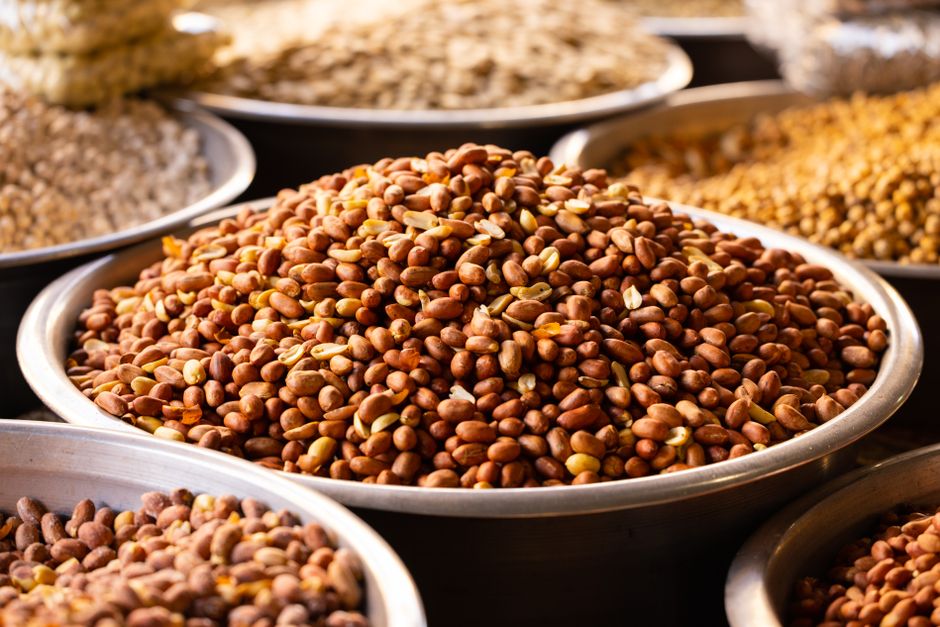
The Plant-Based Revolution
In 2026, plant-based eating isn’t just a trend—it’s a full-blown revolution. With increasing awareness about health, sustainability, and animal welfare, more people than ever are turning to plant-based proteins. These nutrient-dense options not only offer a myriad of health benefits but also cater to the growing demand for sustainable food sources. Let’s delve into why plant-based proteins are taking the center stage and how incorporating them into your diet can boost your energy and overall wellbeing this year.
Understanding Plant-Based Proteins
Plant-based proteins are derived from plant sources such as legumes, nuts, seeds, and grains. Unlike animal proteins, they come with added bonuses: fiber, antioxidants, and essential vitamins. For instance, a cup of cooked lentils provides approximately 18 grams of protein along with 15 grams of fiber, vastly outperforming a steak when it comes to gut health benefits. The spectrum of plant-based proteins is vast, with options ranging from humble peas to exotic spirulina, each bringing unique flavors and textures to the table.
Top Plant-Based Protein Sources of 2026
- Chickpeas: A staple in Mediterranean diets, chickpeas are versatile and packed with approximately 15 grams of protein per cup. Roast them for a crunchy snack or blend them into hummus for a creamy dip.
- Quinoa: This ancient grain, native to the Andes, packs 8 grams of protein per cup, along with a complete amino acid profile. Use it as a base for salads or a warm breakfast cereal.
- Hemp Seeds: With roughly 10 grams of protein per 3 tablespoons, hemp seeds are a powerhouse of omega-3 and omega-6 fatty acids. Sprinkle them on smoothies or salads for an added nutrient boost.
- Tempeh: Originating from Indonesia, tempeh offers about 31 grams of protein per cup and is rich in probiotics, promoting gut health.
- Edamame: These young soybeans deliver around 17 grams of protein per cup and are an excellent snack or addition to stir-fries and salads.
Health Benefits of Plant-Based Proteins
Switching to plant-based proteins can significantly enhance your health. Studies reveal that incorporating more plant proteins into your diet can reduce the risk of cardiovascular diseases, type 2 diabetes, and certain cancers. The fiber content helps regulate digestion and maintain a healthy gut microbiome, which is crucial for nutrient absorption and mental health. Moreover, plant-based proteins are typically lower in saturated fat and cholesterol, aiding in weight management and heart health.
Incorporating Plant-Based Proteins into Your Diet
Making the shift to plant-based proteins can be seamless and enjoyable with a little creativity. Start your day with a smoothie infused with protein-rich hemp seeds and almond milk. For lunch, try a hearty quinoa salad with chickpeas, avocado, and a sprinkle of sunflower seeds. Dinner can be a savory tempeh stir-fry with broccoli and edamame tossed in a flavorful tamari sauce. The possibilities are endless, and as you explore these options, you may find your taste preferences expanding in delightful directions.
Practical Takeaway for 2026
Embracing plant-based proteins is more than a diet shift—it’s a lifestyle choice that can lead to a healthier, more sustainable future. The benefits are clear: increased energy, improved digestive health, and a reduced environmental footprint. As you navigate your nutritional choices in 2026, consider incorporating more plant-based proteins into your meals. Your body—and the planet—will thank you.