The Sleep-Weight Connection: An Overview
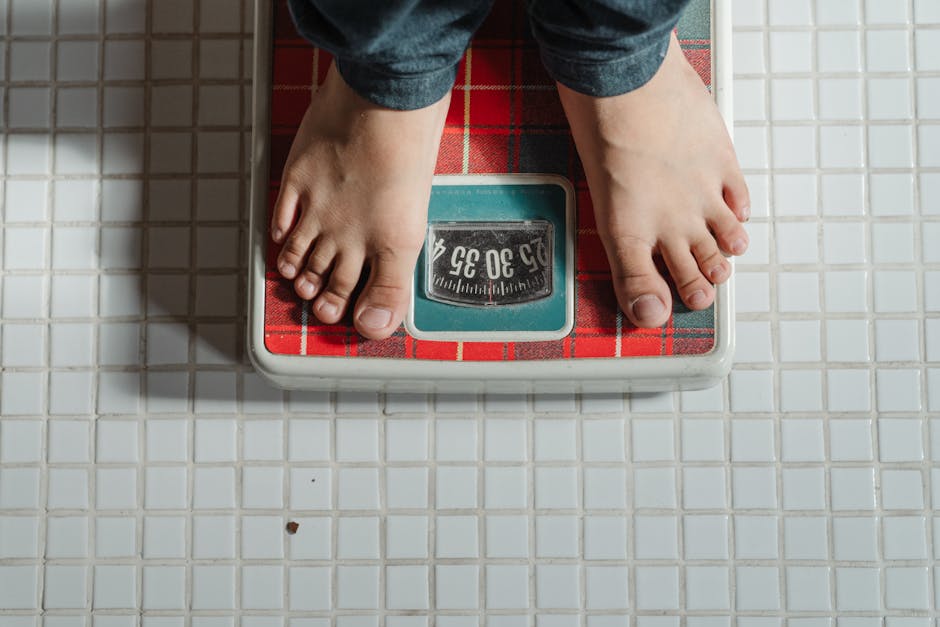
Sleep and weight loss might seem like an unlikely pair, yet they’re more connected than most people realize. The link between these two critical aspects of health is rooted in biology and behavior. While diet and exercise are often highlighted in weight management strategies, the importance of a good night’s sleep cannot be overstated. Let’s delve into how quality rest influences your body weight and metabolism.
How Sleep Affects Hormones and Appetite
When you skimp on sleep, your body produces more of the hormone ghrelin and less of leptin. Ghrelin signals hunger to the brain, while leptin tells your brain when you’re full. Insufficient sleep skews the balance, making you feel hungrier and less satisfied after meals. This hormonal imbalance can lead to increased calorie intake and, ultimately, weight gain. A study conducted by the University of Chicago in 2024 found that individuals who slept less than seven hours per night had a 30% higher risk of obesity.
The Impact of Sleep on Metabolism
Your metabolic rate is another casualty of sleep deprivation. Restful sleep helps maintain a healthy metabolism by regulating glucose levels and insulin sensitivity. When you don’t get enough sleep, your body’s ability to process sugar is impaired, which can lead to higher blood sugar levels and an increased risk of type 2 diabetes. A comprehensive review in the Journal of Biological Rhythms in 2025 showed that poor sleepers burned an average of 5% fewer calories than their well-rested counterparts.
Quality vs. Quantity: What Matters More?
Both the quality and quantity of sleep are crucial for weight management. It’s not just about the number of hours you spend in bed; it’s also about how deeply you sleep. Achieving REM (Rapid Eye Movement) sleep is essential as it plays a significant role in mental recovery and metabolic health. Interrupted or poor-quality sleep can be as detrimental as insufficient sleep. For example, a study from Stanford University highlighted that fragmented sleep resulted in a 20% reduction in fat oxidation, which is the body’s way of breaking down fat for energy.
The Role of Sleep in Exercise Recovery
Exercise is a cornerstone of weight loss, but without adequate recovery, your efforts might be in vain. Sleep is when your body repairs and builds muscle tissue, crucial for both strength and metabolism. If you’re not giving your body enough time to recover through sleep, you may see diminished returns from your workouts. Research conducted by the University of Exeter in 2026 demonstrated that athletes who slept eight hours a night recovered faster and improved their muscle strength by 15% more than those who slept less.
Practical Tips for Better Sleep
- Create a Sleep-Inducing Environment: Keep your bedroom cool, dark, and quiet. Consider using blackout curtains or a white noise machine if external factors disrupt your sleep.
- Establish a Routine: Going to bed and waking up at the same time every day helps regulate your body’s internal clock, making it easier to fall asleep and wake up naturally.
- Limit Screen Time: The blue light emitted by phones and computers can interfere with melatonin production, the hormone that controls sleep-wake cycles. Aim to power down electronics at least an hour before bed.
- Mind What You Eat and Drink: Avoid heavy meals, caffeine, and alcohol close to bedtime as they can disrupt sleep patterns.
- Exercise Regularly: Physical activity can help you fall asleep faster and enjoy deeper sleep, but try to avoid vigorous workouts close to bedtime.
By understanding the intricate relationship between sleep and weight, you can make informed lifestyle changes that promote both better rest and effective weight management. Prioritize sleep as much as diet and exercise, and you’ll find yourself on a healthier path.