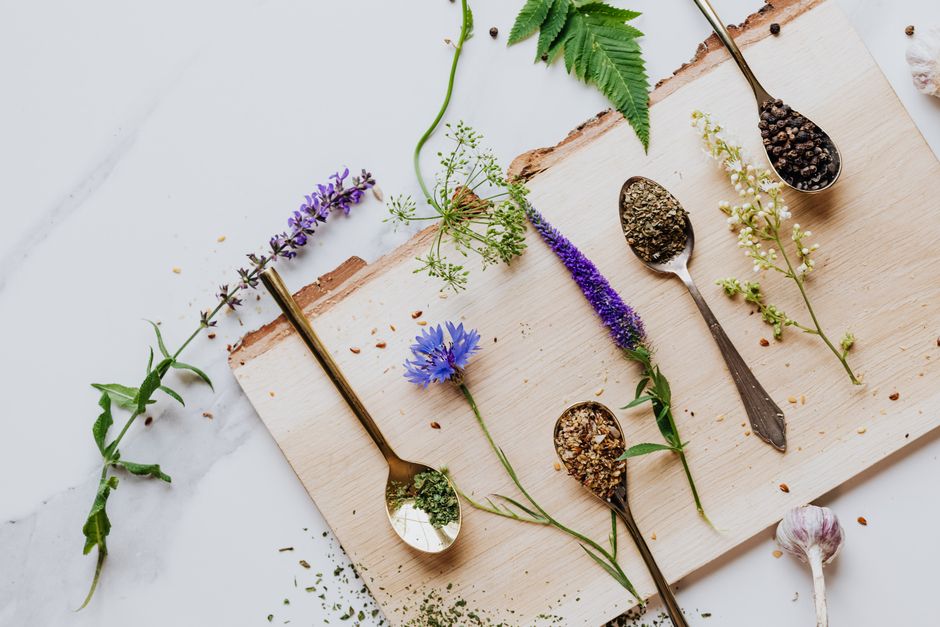
Why Edible Flowers Are Blooming in Popularity
In 2026, edible flowers have become more than just a decorative touch to your plate. They’re blooming with potential health benefits that many are just beginning to explore. From boosting your immune system to providing essential vitamins and antioxidants, these vibrant blooms are sprouting up in kitchens worldwide. Restaurants in cities like San Francisco and Paris are leading this culinary trend, introducing diners to the sensory delight of petals like nasturtiums and borage. But it’s not just flavor that’s capturing attention; it’s the myriad health benefits these flowers offer.
Top Edible Flowers and Their Health Benefits
- Calendula: Often referred to as ‘poor man’s saffron’, calendula is rich in flavonoids which possess anti-inflammatory properties. A 2025 study from the University of Sydney highlighted calendula’s effectiveness in skin health and reducing inflammation.
- Lavender: Known for its calming aroma, lavender is linked to stress reduction and improved sleep quality. A clinical trial from New York’s Sleep Institute in 2024 revealed improved sleep patterns in participants who incorporated lavender into their diet.
- Hibiscus: This vibrant flower is packed with antioxidants and has been shown to lower blood pressure. Research from the Heart Institute in London emphasized hibiscus tea as a natural alternative to manage hypertension.
- Violets: High in vitamin C, violets can bolster your immune system and contribute to skin health. Their subtle sweetness makes them a perfect addition to desserts and salads.
How to Incorporate Edible Flowers into Your Diet
Incorporating edible flowers into your diet can be as simple as sprinkling them on a dish or brewing them into teas. Start with easy recipes like adding rose petals to homemade jams or infusing chamomile into your evening tea for a soothing pre-sleep ritual. For breakfast, consider lavender-infused yogurt or nasturtium-blended smoothies, which add both vibrant color and a peppery flavor.
Growing Edible Flowers at Home
With the growing demand for local and organic produce, cultivating your own edible flowers can be both rewarding and healthful. Many flowers like pansies and marigolds are easy to grow in small spaces, whether in a city apartment balcony or backyard garden. Begin with a small herb kit or seed pack, available at gardening stores across the nation, and follow simple guides to ensure your flowers are both safe and pesticide-free.
The Cultural Shift Toward Edible Flowers
As we move further into 2026, the cultural adoption of edible flowers signifies a broader shift towards holistic health and culinary creativity. Whether inspired by the vibrant food markets of Bangkok or the flourishing gardens of Tuscany, this trend reflects a desire to reconnect with nature and enhance wellness through our diets. Chefs and home cooks alike are rediscovering these floral wonders, celebrating them not just for their aesthetic appeal but for the rich tapestry of flavors and health benefits they bring.
Practical Takeaway: Embrace the beauty and health benefits of edible flowers by integrating them into your daily meals. Start small, experiment with flavors, and enjoy the colorful journey of culinary exploration.