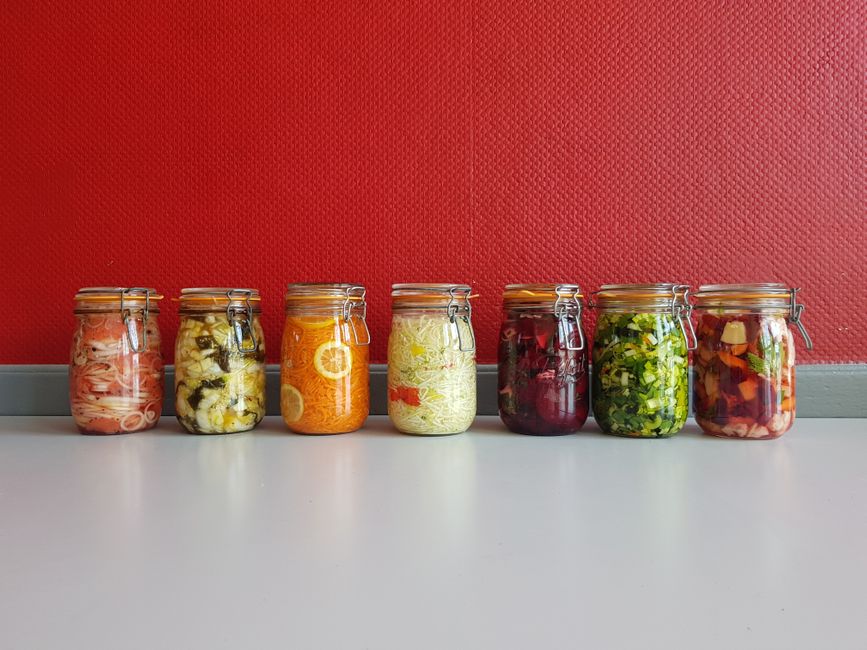
The Fermentation Revival in 2026
As we step into 2026, the culinary world is buzzing with the resurgence of ancient fermentation techniques. Fermented foods, known for their gut-friendly probiotics, are not just a trend but a staple in many kitchens around the globe. From the bustling streets of Seoul to the cozy cafes of Copenhagen, these foods are celebrated for their health benefits and rich flavors.
Fermentation is the process where microorganisms like yeast and bacteria convert carbohydrates into alcohol or acids. This transformation not only preserves the food but also enhances its nutritional content. The probiotics and enzymes produced during fermentation support digestion, boost the immune system, and may even improve mental health.
Why Fermentation Matters More Than Ever
In a world where gut health is increasingly linked to overall well-being, fermented foods have become invaluable. Researchers from the University of Cambridge have found that regular consumption of fermented foods can positively affect the balance of gut bacteria, which plays a crucial role in digestion, immunity, and even mood regulation.
For those struggling with digestive issues, such as IBS or bloating, incorporating fermented foods into their diet can offer relief. These foods help maintain gut flora balance, reducing inflammation and promoting nutrient absorption.
Top Fermented Foods to Include in Your Diet
- Kimchi: This spicy Korean staple is packed with vitamins A, B, and C, and full of beneficial bacteria. Made from fermented cabbage and radishes, it adds a tangy kick to meals.
- Kefir: A fermented milk drink similar to yogurt but thinner in consistency. Kefir contains a diverse array of probiotics and is an excellent source of calcium.
- Sauerkraut: This German classic is more than just a hot dog topping. Made from cabbage, it’s rich in fiber and probiotics, promoting a healthy digestive system.
- Miso: A staple in Japanese cuisine, miso paste is made from fermented soybeans. It’s a great source of protein, minerals, and essential amino acids.
- Tempeh: Originating from Indonesia, tempeh is made from fermented soybeans and is a fantastic plant-based protein source. Its firm texture makes it a versatile meat alternative.
How to Incorporate Fermented Foods Into Your Daily Routine
Getting started with fermented foods is easier than you might think. Start small by adding a spoonful of sauerkraut to your lunch or enjoying a cup of kefir with breakfast. For those new to these flavors, it might take some time for your palate to adjust, but it’s worth the effort.
Consider making your own fermented foods at home. Not only is it cost-effective, but it also allows you to customize flavors to your liking. There are numerous resources and communities online where you can learn the basics of fermentation and share your creations.
The Future of Fermented Foods and Nutrition
As awareness of gut health continues to grow, the interest in fermented foods is set to expand further. Innovations in the field are emerging, with companies exploring new ways to harness the benefits of fermentation. For instance, scientists in San Francisco are developing plant-based fermented products that promise the nutritional benefits of traditional fermented foods without animal products.
With more research and advancements on the horizon, fermented foods will likely play a pivotal role in the future of nutrition. Embracing them now means you’re not only nurturing your gut but also staying ahead of the health and wellness curve.
Practical Takeaway
The journey into the world of fermentation is one of discovery and health. By integrating these foods into your diet, you’re making a conscious choice to support your gut health and overall well-being. Whether you’re a seasoned fermentation enthusiast or a curious newcomer, there’s no better time than 2026 to savor the tangy, complex flavors of fermented foods and reap their multitude of benefits.