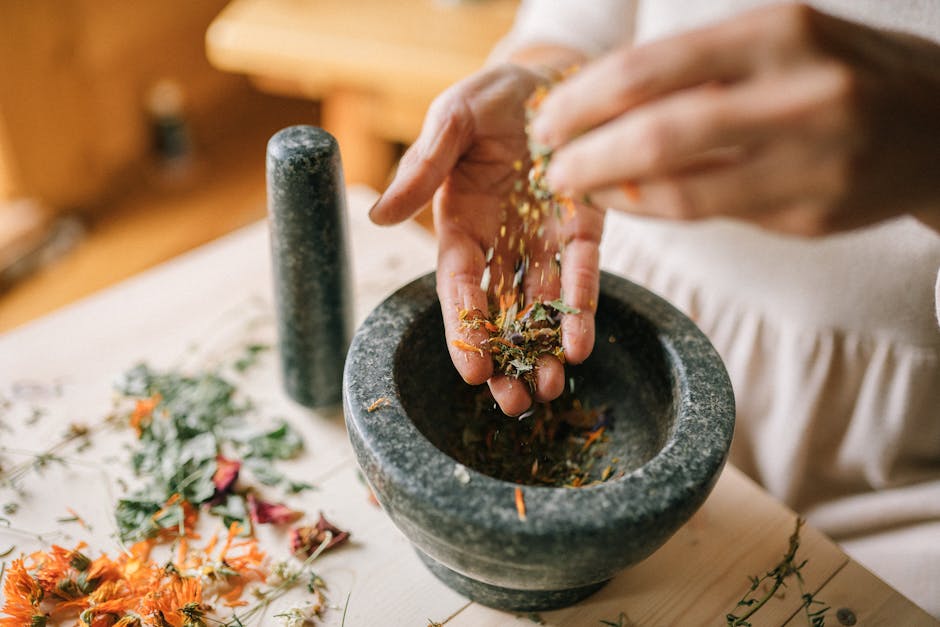
15 Best Herbs for Natural Healing in 2026
The world of natural healing is as vibrant as ever in 2026, with herbs playing a pivotal role in promoting wellness and vitality. From traditional remedies that have stood the test of time to recent discoveries backed by science, herbs offer a treasure trove of benefits for the body and mind. Let’s delve into the top 15 herbs that have been making waves this year for their healing properties.
1. Turmeric: The Golden Healer
Turmeric’s fame is not new, but its consistent relevance in natural medicine is impressive. Known for its bright yellow color, this herb contains curcumin, a compound with potent anti-inflammatory and antioxidant properties. In 2026, research from the National University of Singapore has further highlighted its efficacy in managing chronic inflammation conditions, such as arthritis and inflammatory bowel disease. Adding turmeric to your diet, whether through teas, smoothies, or curries, can be a simple yet effective way to harness its benefits.
2. Ashwagandha: The Adaptogen Extraordinaire
Ashwagandha, traditionally used in Ayurvedic medicine, is celebrated for its ability to help the body adapt to stress. Recent studies from the University of California, Los Angeles, have shown that ashwagandha helps modulate cortisol levels, improving stress resilience. Moreover, it’s been linked to enhanced cognitive function and improved sleep quality, making it a versatile herb for our hectic lifestyles.
3. Berberine: The Blood Sugar Balancer
This lesser-known herb is gaining popularity for its remarkable ability to manage blood sugar levels. Derived from plants like barberry and goldenseal, berberine has been shown to improve insulin sensitivity and lower blood sugar in those with type 2 diabetes. A 2026 study from the Johns Hopkins University found that berberine is as effective as some pharmaceutical drugs for diabetes management, making it a valuable addition to natural health regimens.
4. Echinacea: The Immune System Booster
Often seen in teas and supplements, echinacea is revered for its immune-boosting properties. Its ability to reduce the duration of colds and flu has been well-documented, and ongoing research continues to explore its potential benefits in enhancing overall immune function. In 2026, a collaborative study by universities in Germany and the USA confirmed its role in supporting the body during viral infections.
5. Ginger: The Digestive Soother
Ginger’s spicy zest is more than just a culinary delight; it is a powerful ally for digestion. It helps alleviate nausea, vomiting, and motion sickness, thanks to its active compounds, gingerols, and shogaols. A recent clinical trial conducted in New Delhi, India, emphasized its effectiveness in easing gastrointestinal discomfort and supporting gut health. Enjoying ginger in teas or fresh juices is a tasty way to maintain digestive wellness.
6. Ginseng: The Energy Enhancer
Ginseng has long been valued as a tonic for boosting energy and vitality. This adaptogenic herb is particularly popular in Korean and Chinese medicine. In 2026, research from Seoul National University illustrated how ginseng’s ginsenosides can improve physical performance and reduce fatigue, making it ideal for anyone looking to enhance their energy levels naturally.
7. Lavender: The Calming Companion
Lavender’s calming fragrance is just the beginning of its benefits. It’s often used in aromatherapy to promote relaxation and alleviate anxiety. In recent trials conducted in France, lavender’s essential oil was shown to significantly reduce symptoms of anxiety and improve sleep quality, making it an excellent choice for those battling stress and insomnia.
8. Milk Thistle: The Liver Protector
Milk thistle, rich in the active compound silymarin, is recognized for its liver-supporting properties. It helps detoxify the liver, protecting it from damage by toxins and alcohol. In 2026, a study from the University of Vienna highlighted milk thistle’s role in improving liver function and regenerating liver cells, making it indispensable for those looking to maintain optimal liver health.
9. Peppermint: The Refreshing Relief
Peppermint leaves have been used for centuries to relieve headaches, muscle pain, and respiratory issues. This herb’s menthol content provides a cooling sensation that eases tension and discomfort. New findings from the University of Melbourne support peppermint oil’s efficacy in alleviating symptoms of irritable bowel syndrome, positioning it as a potent digestive aid.
10. Rosemary: The Brain Booster
Rosemary isn’t just a flavorful kitchen herb; it’s a brain booster too. Its rosmarinic acid enhances memory and concentration. Various studies, including one from the University of North Carolina in 2026, have shown its positive effects on cognitive performance, making it a staple for students and professionals seeking mental clarity.
11. Sage: The Hormonal Harmonizer
Sage has been traditionally used for hormonal balance, particularly in women experiencing menopause. Its phytoestrogenic properties help alleviate symptoms like hot flashes and mood swings. Sage’s role in hormonal health was further validated by a comprehensive study at the University of Manchester, affirming its place in natural female wellness solutions.
12. St. John’s Wort: The Mood Lifter
This cheerful yellow flower is renowned for its effectiveness in treating mild to moderate depression. A 2026 meta-analysis by the European Medicines Agency highlighted St. John’s Wort’s comparable efficacy to standard antidepressants, with fewer side effects, making it a valuable herb for mental health support.
13. Thyme: The Antimicrobial Ally
Thyme is not only a culinary herb but also a powerful antimicrobial agent. Its essential oil, rich in thymol, is effective against bacteria and fungi. Recent research from the University of Toronto demonstrated its potential in treating respiratory infections, solidifying its role as a natural antimicrobial powerhouse.
14. Valerian: The Sleep Aid
Valerian root is often used to promote restful sleep. Its calming effects help ease insomnia and anxiety. In a study by the Sleep Research Society, valerian was shown to improve sleep quality without the side effects associated with conventional sleep medications, making it a preferred choice for natural sleep support.
15. Yarrow: The Wound Healer
Yarrow has historically been used to treat wounds and inflammation. Its anti-inflammatory and astringent properties make it effective in healing cuts and bruises. A 2026 study from the University of Helsinki confirmed yarrow’s efficacy in accelerating wound healing and reducing skin irritation.
Practical Takeaway
Integrating these herbs into your lifestyle can be a transformative step towards better health. Whether it’s through teas, supplements, or culinary enhancements, these natural remedies offer a myriad of benefits. As always, it’s wise to consult with a healthcare provider before starting any new herbal regimen, particularly if you have underlying health conditions or are on medication. Embrace the healing power of herbs and enhance your wellness journey in 2026.