How to Read Food Labels: An Essential Skill for 2026
The art of understanding food labels is more crucial than ever in 2026. With the array of health issues emerging from poor dietary habits, learning to decipher these labels can empower you to make healthier choices, leading to a better quality of life. The modern food industry has responded to consumers’ demands for transparency, yet the complexities of food labeling can still be overwhelming. So, how can you navigate this dense information jungle? Let’s break it down.
Understanding Serving Sizes
Serving sizes are the gateway to nutrition facts. They dictate how you interpret every other number on the label. In 2026, the Food and Drug Administration (FDA) made more efforts to standardize serving sizes, but discrepancies still exist. It’s essential to check the serving size first. You might be surprised to find that a package contains more servings than expected. For example, a popular brand of granola might list its nutritional information for a quarter-cup serving, but most people consume closer to a full cup. This can quadruple your intake of calories, sugars, and fats without even realizing it.
The Nuances of Sugar Content
Sugar is a major point of focus for many health-conscious consumers. The labels now differentiate between naturally occurring sugars and added sugars, thanks to directives from health organizations. This distinction helps you understand if the sugars come from wholesome ingredients like fruits, or from less desirable sources such as high-fructose corn syrup. For instance, a fruit yogurt might have high sugars from the fruit itself, while some snack bars could be packed with added sugars to enhance flavor. Aim for products with less than 10% of calories from added sugars based on a 2,000-calorie diet.
The Importance of Fiber
Fiber is one of the unsung heroes of the nutrition world. It aids digestion, helps control blood sugar levels, and can lower cholesterol. The labels in 2026 provide a clearer picture of fiber content, linking it directly to whole grains. A loaf of whole wheat bread, for instance, should have at least 3 grams of fiber per slice. Pay attention to the types of grains listed. Look for “100% whole grain” or similar language to ensure you’re getting genuine nutritional benefits.
Demystifying Fats
Not all fats are created equal. The nutritional science of 2026 emphasizes understanding the types of fats present in your diet. Food labels now categorize fats into saturated, unsaturated, and trans fats. While unsaturated fats are beneficial, aiding in heart health, saturated and trans fats can elevate cholesterol levels and increase heart disease risk. A popular example would be choosing between butter and margarine; margarine might seem healthier, but if it contains trans fats, butter could be the better choice. Look for products with no trans fats and minimal saturated fats, ideally less than 5% of the daily value per serving.
Deciphering Ingredient Lists
Ingredient lists tell a story. They reveal what you’re truly consuming and are more informative than you might assume. Ingredients are listed by weight, from most to least. In 2026, transparency laws mandate that even trace amounts of allergens or preservatives must be disclosed. If you see sugar or salt listed among the first few ingredients, it suggests a higher content than you might desire. For those pursuing clean eating, aim for shorter ingredient lists with recognizable items. For instance, a tomato sauce with just tomatoes, olive oil, garlic, and herbs is preferable to one loaded with sugar and preservatives.
Organic and Non-GMO Labels
The quest for organic and non-GMO foods has become a substantial aspect of food choices. Labels such as “USDA Organic” or “Non-GMO Project Verified” are signals of certain agricultural practices. However, these labels can come at a premium. Do your research to decide whether these certifications align with your dietary priorities and budget. A bag of organic apples from Washington State, for example, might be more aligned with your values than non-organic ones, but they might also be twice the cost. Understanding the significance of these labels can guide you in making informed purchases.
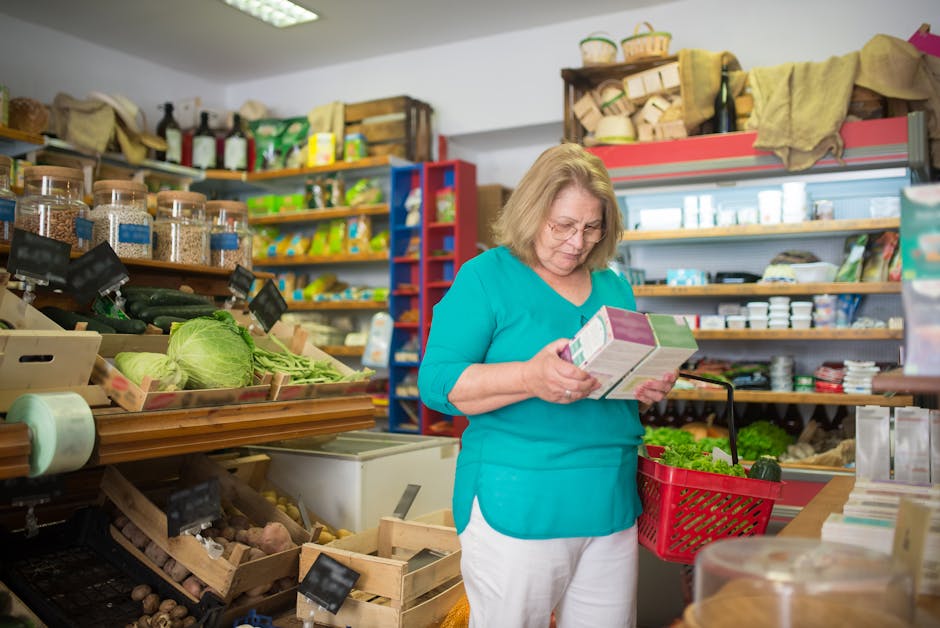
Food labels in 2026 are designed to empower consumers. They offer insights into your diet that can lead to healthier choices. Remember, the label is a tool, and understanding it is an essential skill in your wellness journey. The next time you’re grocery shopping, take a moment to read and reflect on the labels. Your body will thank you for it.
Practical Takeaway: Next time you shop, pick three products you regularly buy and analyze their labels. Compare serving sizes, sugar content, and ingredients. By making this a habit, you’ll start noticing patterns and can adjust your choices for better health.