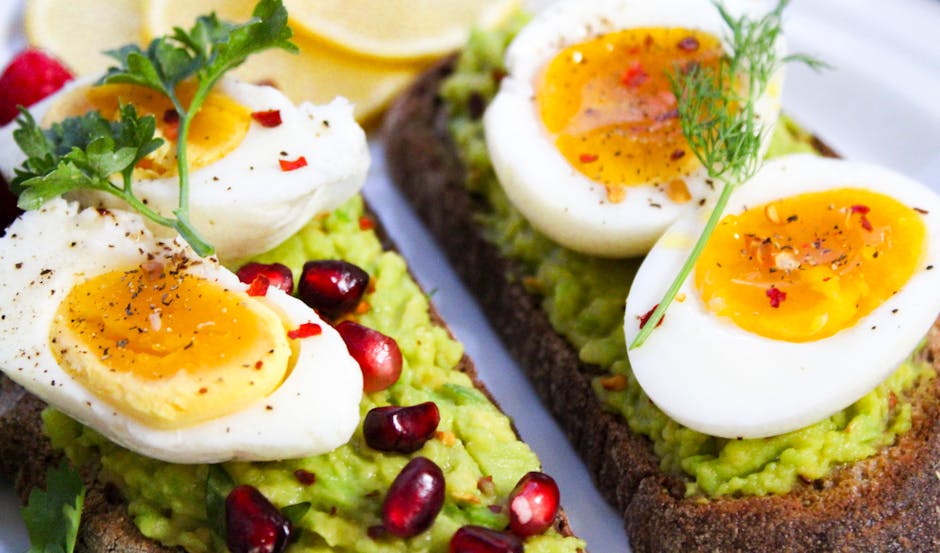
The Connection Between Nutrition and Longevity
As we look towards lengthening our lifespans and enhancing our quality of life, the role of nutrition has never been more vital. While some factors influencing longevity are beyond our control, like genetics, our dietary choices offer a powerful tool to promote a longer, healthier life. By understanding and implementing nutritional strategies, we can potentially add years to our lives and life to our years.
How the Mediterranean Diet Can Extend Your Lifespan
The Mediterranean diet has been hailed as a blueprint for longevity, with its roots deeply embedded in the traditional eating habits of countries like Greece, Italy, and Spain. This diet emphasizes whole foods, such as fruits, vegetables, legumes, nuts, and whole grains, while focusing on healthy fats like olive oil and moderate consumption of fish and poultry.
A study published in the New England Journal of Medicine in 2024 revealed that individuals adhering to a Mediterranean diet had a 20% lower risk of mortality over a ten-year period compared to those following standard Western diets. The abundance of antioxidants, polyphenols, and healthy fats in this diet fights inflammation and oxidative stress, both of which are linked to aging and chronic diseases.
The Role of Caloric Restriction and Intermittent Fasting
Caloric restriction, without malnutrition, is another promising area in the quest for longevity. By reducing calorie intake by approximately 20-30% while maintaining nutritional adequacy, animal studies have consistently demonstrated lifespan extension.
More recently, intermittent fasting, a modern twist on caloric restriction, has gained popularity. Techniques like the 16:8 method (16 hours of fasting with an 8-hour eating window) have shown to improve metabolic health, reduce inflammation, and enhance cellular repair processes. A 2025 study conducted by the University of California highlighted that intermittent fasting could extend human lifespan by up to 10% by improving the body’s resilience to various age-related diseases.
Superfoods: Myth or Reality?
The term ‘superfood’ is often thrown around in wellness circles, but what does it truly mean for longevity? Foods like blueberries, quinoa, and kale are often labeled as superfoods due to their superior nutrient density and potential health benefits.
Blueberries, for instance, are packed with antioxidants and have been linked to improved brain health and delayed cognitive aging. A 2023 study from Harvard University found that consuming a cup of blueberries daily improved memory and cognitive function in adults over 65.
While no single food holds the key to immortality, incorporating a variety of nutrient-dense foods can fortify our biological defense systems, thereby contributing to longer, healthier lives.
Gut Health: The Hidden Driver of Longevity
Our gut microbiome, often dubbed our ‘second brain,’ plays an integral role in overall health and longevity. Trillions of bacteria residing in our gut influence digestion, immune function, and even our mood.
Research from the University of Queensland in 2025 demonstrated that individuals with a diverse gut microbiome tend to live longer and have a reduced risk of obesity and chronic diseases. Consuming fermented foods such as yogurt, kefir, and kimchi, alongside prebiotic-rich foods like garlic and leeks, fosters a healthy and diverse gut microbiome.
Practical Takeaway: Nourish for Longevity
While the quest for longevity involves myriad factors, embracing a diet rich in whole, nutrient-dense foods is a practical and powerful step. Incorporating elements like the Mediterranean diet, exploring intermittent fasting, and nurturing a diverse gut microbiome can collectively pave the way to a longer, healthier life. By making informed nutritional choices each day, we can actively shape our long-term health and happiness.