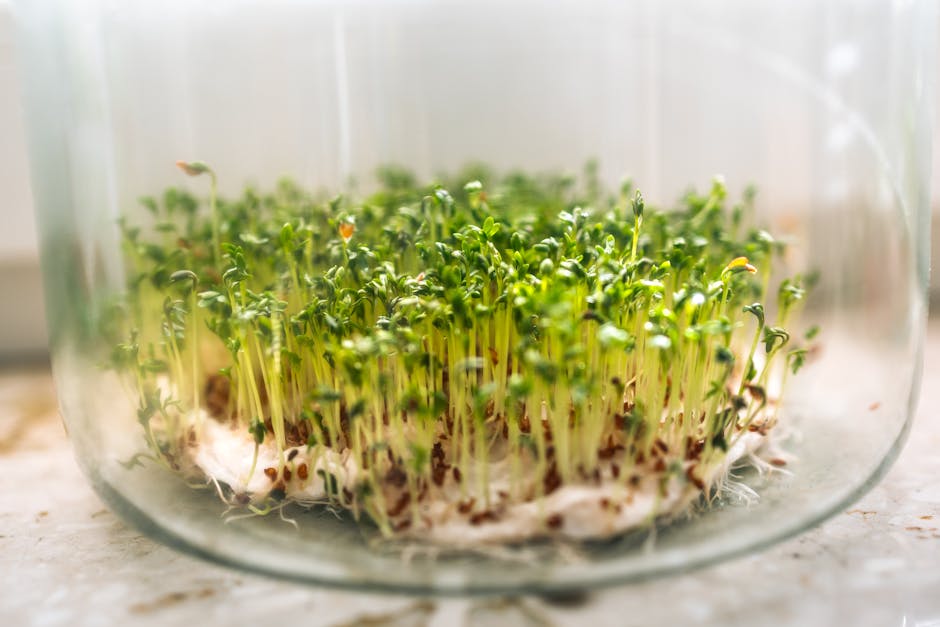
The Charm of Microgreens
Microgreens are not just a trend; they’re becoming a staple in kitchens around the globe. These tiny greens, harvested just after the first leaves have developed, pack a punch of flavor and nutrients. In 2026, they’ve grown in popularity not just for their culinary versatility but for their robust health benefits too.
What Exactly Are Microgreens?
Microgreens are young vegetable greens that are approximately 1–3 inches tall. They have an intense aromatic flavor and concentrated nutrient content. Despite their small size, they provide up to 40 times more nutrients than their mature counterparts. Imagine a plate of microgreens offering you more vitamins and minerals than a full-grown salad!
Why Microgreens Are a Nutritional Powerhouse
In a world where processed foods are prevalent, microgreens offer a natural source of nutrients. They are rich in potassium, iron, zinc, magnesium, and copper, and contain higher levels of vitamin C, E, and K. Studies from the University of Maryland and the USDA have shown that microgreens can be significantly higher in nutrients compared to mature vegetables. This makes them an excellent choice for boosting your diet’s nutritional quality.
Growing Microgreens at Home: A Simple Guide
- Selecting the Right Seeds: Choose seeds labeled specifically for microgreens. Popular choices include basil, radish, cilantro, and sunflower.
- Soil and Containers: Use shallow containers with drainage. Fill them with a soilless potting mix to ensure good aeration and moisture retention.
- Sowing the Seeds: Sprinkle seeds evenly across the surface of the soil, and gently press them in. Lightly cover the seeds with more soil and mist them with water.
- Light and Water: Place the container where it can receive indirect sunlight. Water the seeds regularly to keep the soil moist but not waterlogged.
- Harvesting: Once the first true leaves appear, usually in about 1-3 weeks, your microgreens are ready to be harvested. Use scissors to snip them just above the soil line.
Culinary Uses: From Salads to Smoothies
Microgreens can be used in a myriad of dishes, bringing both color and flavor. Toss them into salads, sprinkle them over soups, or blend them into smoothies for a nutrient boost. In San Francisco, restaurants like Greens and Zuni Café have been innovative in incorporating these little greens in their dishes, offering vibrant and health-conscious menus.
The Environmental Impact
Microgreens are not only beneficial for personal health but environmental health as well. They require less water and space than traditional crops, making them an ideal choice for urban farming. Vertical farms in cities like New York and Tokyo are leveraging microgreen production to produce food sustainably, reducing the ecological footprint associated with traditional agriculture.
Takeaway: A Small Change with Big Benefits
Integrating microgreens into your diet can enhance your nutrition while also supporting sustainable agricultural practices. Whether you grow them yourself or pick them up at your local farmers’ market, these petite powerhouses offer a simple way to boost your health naturally.