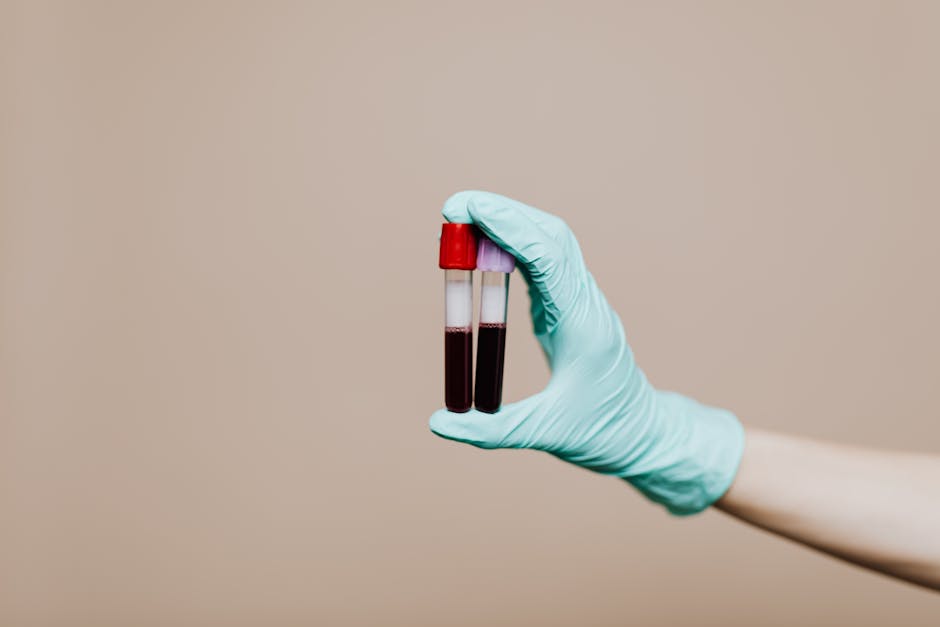
As we find ourselves in the year 2026, the landscape of health and wellness has shifted dramatically. Gone are the days when a one-size-fits-all approach to nutrition sufficed. Instead, personalized nutrition is taking the spotlight, promising to revolutionize how we approach our diets and overall health.
The Rise of Personalized Nutrition
Personalized nutrition is not just a trend—it’s a response to the ever-growing body of research that highlights how unique each individual’s nutritional needs are. The Human Genome Project, completed in 2003, laid the groundwork for this by showing us just how different our genetic makeups can be. Today, companies like Nutrigenomix and DNAfit are leveraging this information, offering personalized diet plans based on your genetic profile. Imagine eating in a way that caters to your DNA, optimizing your health like never before.
The Science Behind It
So, what makes personalized nutrition so effective? It starts with understanding the core concept of nutrigenomics—the study of how food interacts with our genes. This science is the bridge between what we eat and how our bodies respond. For instance, some people are genetically predisposed to metabolize caffeine faster than others. A personalized nutrition plan would take this into account, providing you with recommendations on coffee consumption that are tailor-made for your genetic makeup.
Moreover, the gut microbiome, a vast ecosystem of bacteria residing in our intestines, plays a significant role in personalized nutrition. Companies like ZOE, co-founded by Tim Spector, are pioneering research that dives deep into gut health. By analyzing your microbiome, they can offer insights that help you make informed dietary choices to enhance digestion and nutrient absorption.
Real-World Applications
The practical applications of personalized nutrition are already being felt across the globe. In the bustling city of Tokyo, for example, the restaurant “DNA Dining” has been offering menus curated based on genetic profiles since 2024. Diners undergo a brief DNA test, and within weeks, they receive a menu that aligns with their genetic predispositions. This concept is gaining traction, with similar establishments emerging in New York and London.
Moreover, athletes are reaping the benefits of this approach. In 2025, the British Olympic team reported a 15% improvement in performance metrics after implementing personalized nutrition strategies tailored to each athlete’s genetic makeup. This not only boosted their medal tally but also underscored the potential of science-backed nutritional interventions.
Tech and Personalized Nutrition
Advancements in technology have been pivotal in making personalized nutrition accessible. Wearable devices like the Whoop and Oura Ring provide real-time data on how your body responds to different foods. These devices, combined with AI-driven apps, offer insights into your metabolic rate, sleep patterns, and more, creating feedback loops that refine your nutrition plan on-the-go.
In Silicon Valley, startups like DayTwo are utilizing AI to predict blood sugar responses to different foods, offering personalized dietary advice. This technology is particularly beneficial for individuals with diabetes, helping them maintain optimal blood sugar levels through tailored meal plans.
Challenges and Considerations
While the benefits are compelling, personalized nutrition isn’t without its challenges. Privacy concerns regarding genetic data top the list. Ensuring that companies handle your personal information with care is paramount. Additionally, the cost of accessing these services can be prohibitive for some, although prices are expected to decrease as technology advances and becomes more widely adopted.
There is also the need for more research to validate and refine existing methodologies. As with any scientific field, false positives and inconsistent results can occur, posing a risk to consumer trust. However, as more data becomes available and research methodologies improve, these hurdles are likely to be overcome.
A Practical Takeaway
For those interested in exploring personalized nutrition, the journey begins with a simple step: self-awareness. Consider investing in a DNA test or a gut microbiome analysis to gain insights into your unique nutritional needs. From there, you can work with a qualified nutritionist or utilize AI-driven apps to develop a diet plan tailored to your genetic makeup.
By embracing personalized nutrition, you are not just following a diet; you are engaging in a lifestyle that aligns with your unique biology, paving the way for enhanced health, energy, and well-being. As the science continues to evolve, so too will the opportunities to fine-tune our diets, making personalized nutrition a cornerstone of future health practices.